Choosing window shades is about more than matching a color to your walls. The right treatment can change how much daylight enters a room, improve privacy, reduce glare, and make everyday spaces more comfortable. However, every window has different requirements based on its size, location, sunlight exposure, and surrounding features.
For homeowners searching for a custom shades service company Teaneck NJ, it helps to consider how each room is used before choosing a product. Bedrooms may need stronger light control, living rooms may benefit from filtered daylight, and offices may require better glare management. A custom approach allows these differences to be addressed instead of using one standard solution throughout the property.
Start With What Your Windows Actually Need
Window treatments should serve a functional purpose and match the room’s decor. When selecting a shade, take into account the amount of sunshine a person wants, the need for privacy, the space to be able to install the shade, and how often the shade will be adjusted.
Create a More Comfortable Bedroom
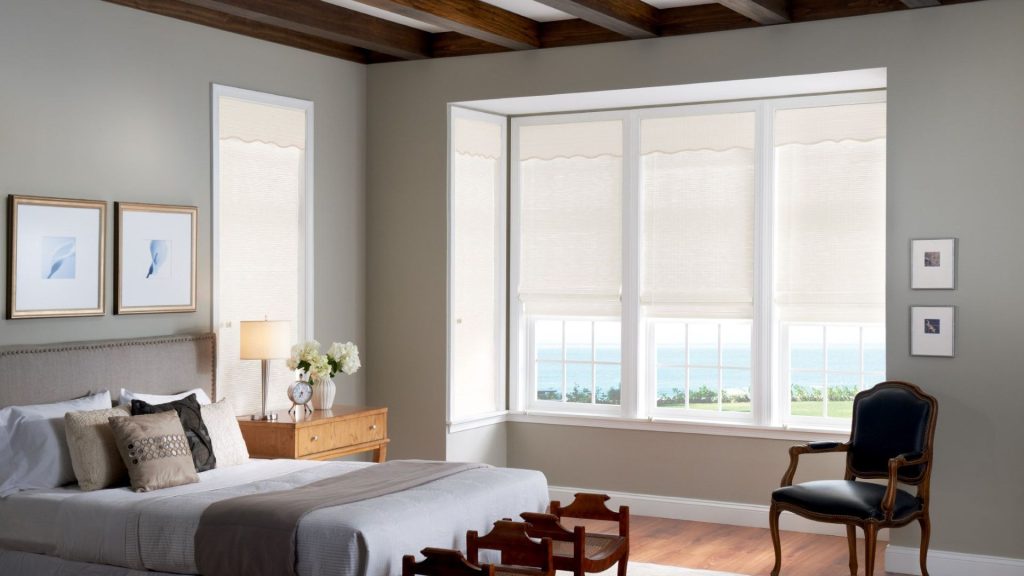
Shades are a great feature for bedrooms as they can be drawn to give privacy and block out light. When it is important to make the sleeping environment darker, room-darkening or blackout materials might be used.
Also, the placement of the window is important. A bedroom that looks out onto a street or another building might need more privacy than a bedroom that looks out onto a private yard. The mounting style can also influence the amount of light that can go around the edges.
Make Living Areas Bright with Minimal Glare
Typically, a living room requires a mix of natural light and glare protection. Preventing all the light from entering the room makes it unnecessarily dark, and a bright room creates uncomfortable light on televisions and other screens.
Use light filtering material to diffuse incoming sunlight and still have a light and bright room. The color, texture and fabric choice can also be helpful in coordinating the shade with the furniture and other interior finishes.
Select Practical treatments for kitchens.
Ventilating kitchen windows should be carefully planned as they could be lined by kitchen sinks, countertops, cabinets and appliances. A shade ought to be straightforward to run and low maintenance.
Prior to installation, inspect the window area for any handles, doorknobs, cabinet edges or other items that might interfere with the treatment. This information can be valuable when you’re using the product on a daily basis.
Improve Light Control in a Home Office
When computers are placed near a bright window, more control over direct sunlight is needed in a home office. Excessive glare can make it difficult to comfortably see a screen.
Brightness can be controlled and useful daylight retained using the appropriate light filtering or solar treatment. Another possible consideration of privacy occurs when an office window is an exterior window, or is adjacent to another building.
Find the Right Level of Natural Light
Not every room needs the same amount of daylight. Looking at the direction of the window and how sunlight changes during the day can help narrow down suitable shade materials.
Soften Daylight With Light-Filtering Shades
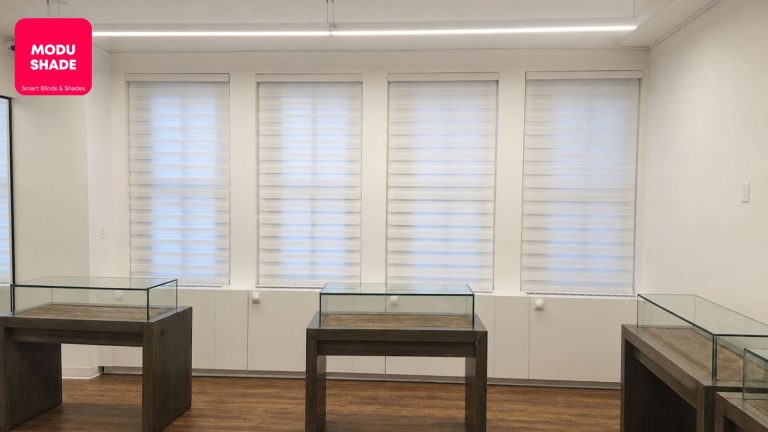
Light-filtering shades reduce the intensity of incoming daylight without completely blocking it. They can be useful in living rooms, dining areas, and other spaces where homeowners want natural light without harsh brightness.
Different fabrics allow different amounts of light through, so the material’s opacity should be considered when comparing options.
Create a Darker Space With Room-Darkening Options
Room-darkening shades are designed to reduce incoming light more significantly than standard light-filtering treatments. They can be useful in bedrooms, nurseries, and media rooms.
The final result depends on more than the fabric. Mounting position and gaps around the window can also affect how much light reaches the room.
Block More Light With Blackout Shades
Blackout materials are designed for situations where substantial light reduction is preferred. They may be suitable for bedrooms, entertainment areas, or rooms that receive strong daylight.
Keep in mind that even a blackout shade may allow some light around the edges if the window treatment does not fully cover the opening.
Manage Sunlight With Solar Shades
Solar shades are designed to help manage sunlight and glare while maintaining some level of outside visibility during daylight hours.
They can be considered for large windows, sunny living areas, offices, and other spaces where glare is a recurring concern. Fabric openness determines the balance between visibility, daylight, and glare control.
Think About Privacy Throughout the Day
Privacy is not simply about covering the glass. It can change depending on the time of day, lighting inside the room, and the position of the window.
Consider Street-Facing and Exposed Windows
Windows facing roads, sidewalks, neighboring homes, or busy areas may require more privacy than windows in secluded locations.
Bedrooms and bathrooms generally have different privacy requirements from dining rooms or other open living spaces. Selecting the right opacity can help address these differences.
Understand How Privacy Changes at Night
A shade that provides good daytime privacy may perform differently after sunset. When interior lights are brighter than the outdoors, visibility through some materials can increase.
Considering both daytime and nighttime conditions helps prevent choosing a treatment based only on how it appears during daylight.
When Are Custom Shades the Better Fit?
Standard window treatments can work well for common window sizes, but some openings require more precise planning. Custom shades allow the treatment to be designed around the actual dimensions and conditions of the window.
Get a Precise Fit for Different Window Sizes
There are several factors besides width and height that may be considered when measuring: frame depth, trim, handles, mounting surfaces, and available clearance.
Correct sizing may enable the treatment to function without obstruction and keep the correct position.
More Than Just the Dimensions can be personalized.
Customization can go beyond a measurement. The homeowners might have the choice to choose fabric, colour, texture and opacity, mounting technique and operation style depending on the range of products available.
This allows the treatment to better fit the window and the overall room design.
Do Window Shades Make a Room More Comfortable?
Window shades can have an impact on the amount of direct sunlight that can enter into a room. Minimize the intensity of bright sunlight to control glare and provide comfort in areas that are close to bright windows.
This is not to say that window treatments are a substitute for insulation, efficient windows or an effective HVAC system. The overall performance of energy in a building is influenced by various factors of the building.
Daylighting, control of glare, privacy and visual comfort are the more immediate concerns for most homeowners.
Keep Things Simple With Manual Shades
Manual shades work well on windows that are high and only need to be moved occasionally. They are simple to operate as they have no extra controls or equipment.
Enjoy Easier Control With Cordless Options
Cordless shades offer a neat look without an operating cord hanging down. They can help to simplify the overall appearance and are convenient for windows that are used often.
Utilize Motorization for Hard-to-Reach Windows
Multiple treatments that require frequent changes, large installations or high windows can be supported by motorized shades.
Controls can be a remote, wall control or a compatible home-control system, depending on the product. Power needs and the control options should be taken into account prior to installation.
Why Proper Installation Makes a Difference
Even a well-selected shade needs proper installation to function as intended. Measurements, mounting position, hardware, alignment, and clearance can all affect the final result.
Make Sure the Shades Are Properly Aligned
Correct alignment helps the treatment sit properly within its intended position. An uneven installation can affect both appearance and operation.
Check for Handles, Trim, and Other Obstructions
Window handles, surrounding trim, cabinetry, doors, and furniture can interfere with a shade. These features should be considered before deciding where the hardware will be installed.
Test the Treatment Before the Installation Is Complete
Once the shade is fitted, its movement should be checked. Manual treatments should operate smoothly, while motorized systems may require additional setup and testing.
What Can a Custom Window Treatment Project Include?
A window treatment project may involve product selection, measurements, customization, installation, or several of these services together.
Depending on the company and products available, services may include:
- Custom window shade selection
- Window measurements
- Custom shade solutions
- Blind installation
- Window covering installation
- Light-filtering treatments
- Room-darkening options
- Solar shade solutions
- Motorized window treatments
- Residential and commercial window coverings
The right combination depends on the property, window conditions, and goals for each room.
How Should You Approach Different Window Sizes?
Window dimensions affect the appearance, mounting requirements, and operation of a shade. A narrow bathroom window does not present the same considerations as a wide living-room opening.
Plan Carefully for Large Windows
Large windows may require additional attention to shade size, hardware, operating weight, and mounting space. Depending on the design, multiple treatments may provide more practical control than one oversized shade.
Find Practical Solutions for Smaller or Unusual Windows
Small, narrow, or unusually proportioned windows can be difficult to match with standard products. Custom sizing can provide greater flexibility when a standard dimension does not suit the opening.
Account for Nearby Furniture and Cabinetry
Furniture, countertops, cabinets, doors, and handles can limit how a shade moves. Identifying these obstacles before installation helps determine the most practical mounting position.
How Can Custom Shades Complement Your Interior?
Window treatments are a visible part of a room, so their appearance should work with the surrounding design.
Coordinate Shades With Your Existing Design
Consider wall colors, flooring, furniture, cabinetry, and other finishes when selecting fabric and color. Neutral shades can blend easily with different styles, while textures and patterns can add more visual interest.
Create a Cleaner, More Finished Appearance
A properly fitted treatment can look more balanced than one that is too small, too large, or poorly positioned. Custom sizing can be especially useful when window dimensions are unusual.
Keep Multiple Windows Looking Consistent
Using complementary shades across several windows can create a more unified interior. However, different windows can still use different opacity levels or operating methods when their functional needs vary.
What Should You Consider Before Ordering?
Taking a few practical details into account before ordering can help avoid problems later.
Take Accurate Window Measurements
Measure the width and height carefully and consider frame depth, trim, handles, and mounting surfaces. These details can affect whether an inside or outside mount is practical.
Decide Between Inside and Outside Mounting
An inside mount places the shade within the window opening and can provide a clean appearance when enough depth is available.
An outside mount attaches the treatment outside the opening. It may be useful when the frame does not provide sufficient depth or when additional window coverage is preferred.
Select the Right Material and Opacity
Think about the room before selecting the material. Bedrooms may need stronger light control, while living areas may benefit from filtered daylight. Bathrooms and exposed windows may place greater emphasis on privacy.
Choose Controls That Match Your Routine
Manual, cordless, and motorized options each have different practical advantages. Consider how often the shade will be adjusted and whether the window is easy to reach.
FAQs
What do custom window shades entail?
Window treatments that are created or cut to fit into a particular window. Customization can be in terms of material, colour, opacity, mounting and operating method.
Do custom shades work with odd windows?
Of course, having windows fitted to custom sizes can help in a variety of situations, such as if the windows are an unusual size or if they have to be fitted in a deep space, if obstructions are present nearby, or if the design specifications require custom sizes.
What are the best colors for bedroom walls?
When privacy and a decrease in daylight are desired, room darkening and blackout shades are commonly used. The light entering around the edges is also dependent on the mounting arrangement.
Do window shades block out glare?
Some shade materials may decrease direct sunlight and glare. Consider using solar shades and light filtering treatments in rooms that have bright windows, when the light affects screen or comfort.
Is it viable to use motorized shades for big windows?
Motorized shades work well for large, high, hard-to-reach windows. The proper configuration will be determined by treatment size, power source, controls and installation needs.
What do window shades need to be done?
The amount of cleaning required varies with shade fabric. Some products can be dusted or gently cleaned regularly, others will need special care instructions. Manufacturers’ guidelines should be adhered to.
Are custom shades an appropriate option for commercial properties?
Yes. Window treatments can be made to suit offices, retail, hospitality and commercial properties. The selection may be made with the consideration of privacy, glare, appearance, durability and frequency of use.
So, what does impact the price of custom window shades?
The price may vary depending on the window size, the number of windows, materials, customization, operation mode, motorization and installation needs. It is more helpful to have an estimate for a project than a general price assumption.
Conclusion:
The right window treatment starts with understanding what each window needs. Sunlight, privacy, room function, dimensions, mounting space, appearance, and operating preferences can all influence the final choice.
For homeowners and businesses searching for a custom shades service company Teaneck NJ, custom solutions can provide greater flexibility when standard treatments do not offer the right fit or functionality. Light-filtering, room-darkening, blackout, solar, cordless, and motorized options can each serve different purposes.
Taking a room-by-room approach makes it easier to select treatments that look natural, operate comfortably, and support the way each space is used. Proper measurements and installation then help bring that selection together for a cleaner and more functional finished result.