
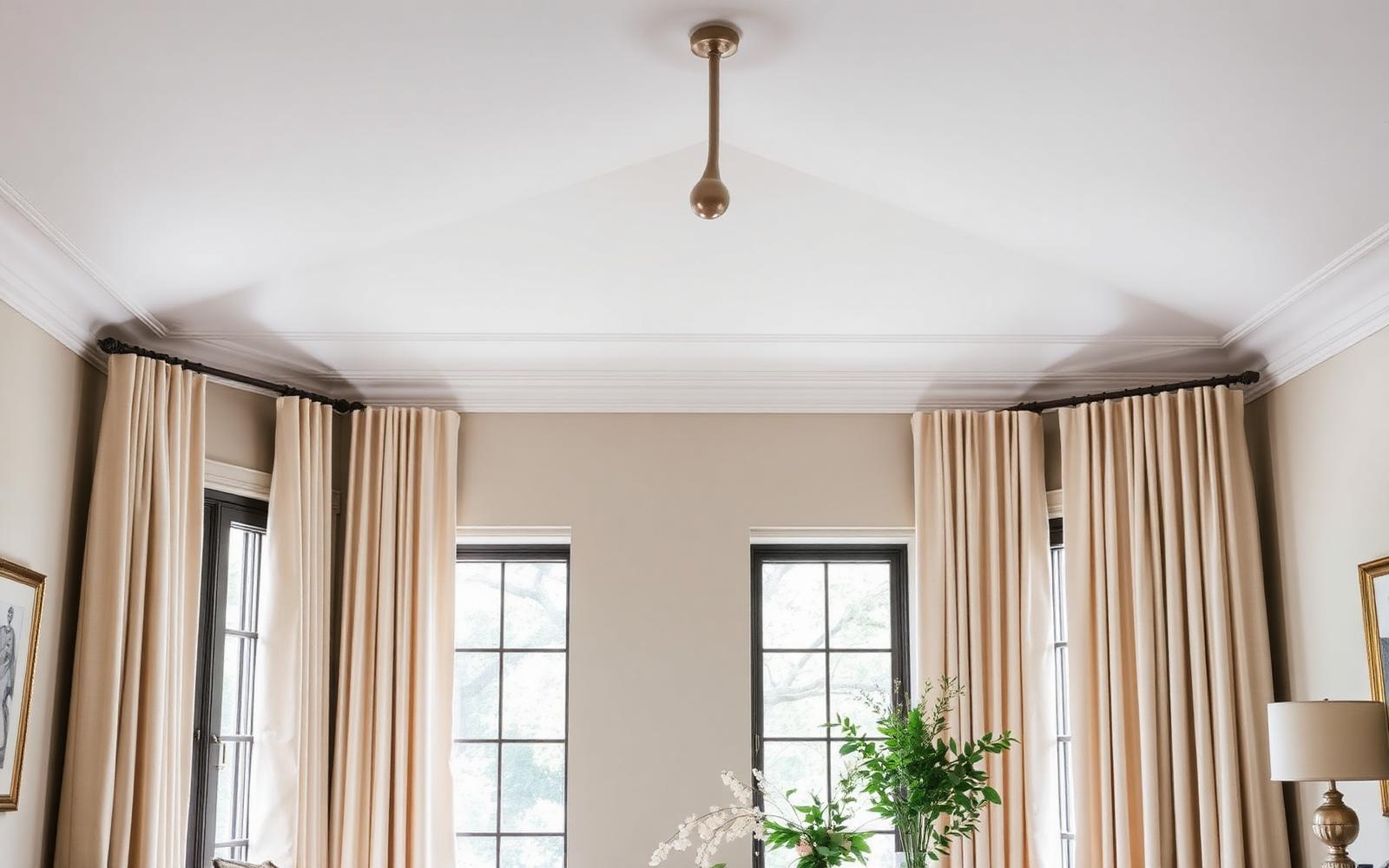
Custom Drapery & Curtains
Custom drapery, measured and made for your rooms
Fabric panels cut, lined and hung to your window, the finishing layer that makes a room feel considered rather than furnished.
Drapery does two jobs at once: it softens the hard lines of a room and it gives you a second layer of light and sound control over a shade. Done well, panels break just at the floor, the pleats stay crisp, and the rod extends beyond the opening so the glass is never covered when the panels are open.
We plan the fullness, pleat style, lining and hardware together, and we measure the drop from the rod position rather than the window, which is why made-to-measure panels hang differently from ready-made ones.
Every project is measured on site, ordered to your exact openings, installed by our own team, and tested with you before we leave.
Where it works best
- Living and dining rooms
- Primary bedrooms
- Tall windows and sliding doors
- Rooms with hard floors and echo
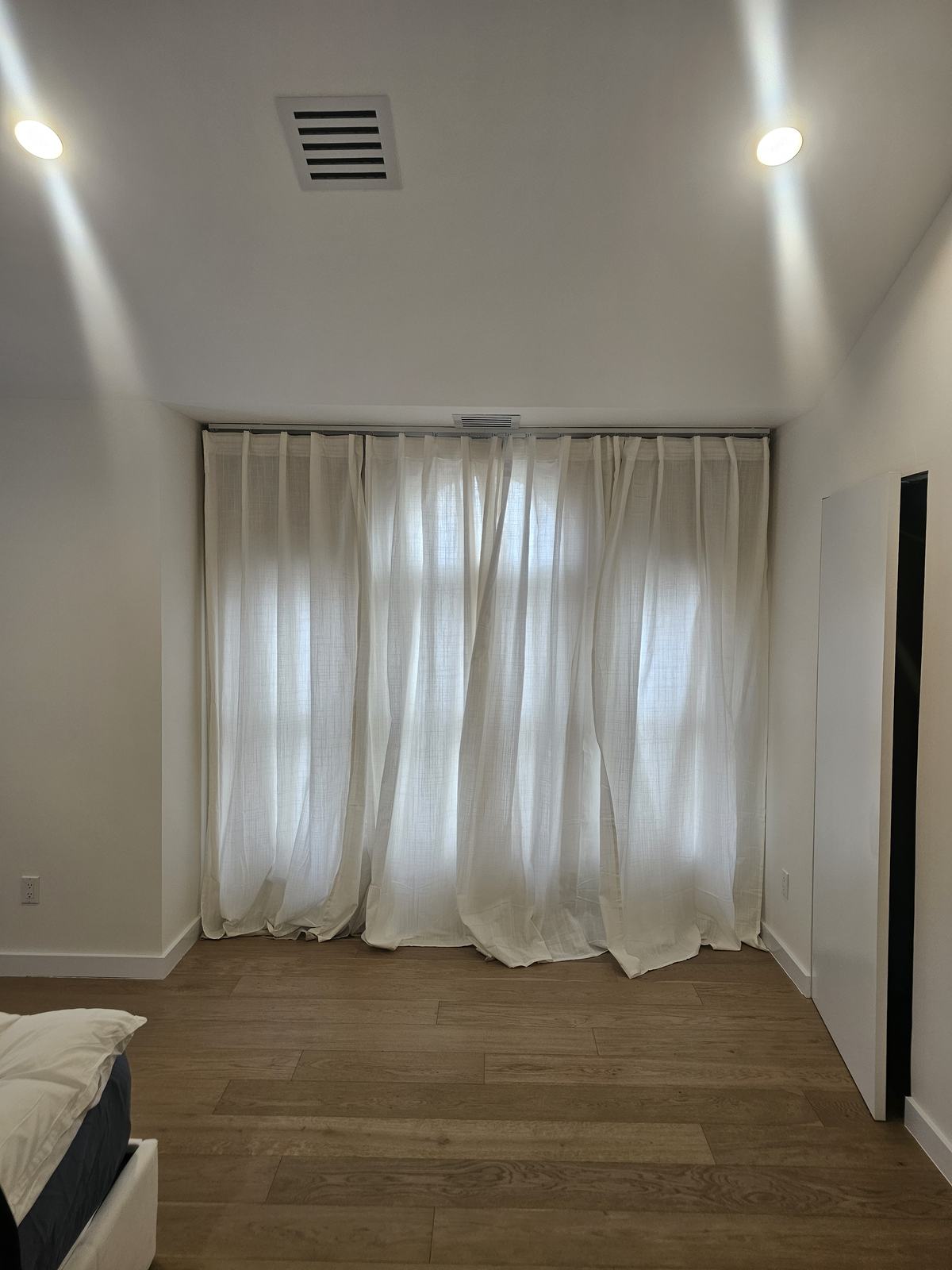
Custom Drapery & Curtains
Considering custom drapery & curtains for your home?
Tell us which rooms you are working on and we will bring custom drapery & curtains samples to your home, measure the openings and recommend the version that suits the light, privacy and budget you have in mind.
Options
Choose the version that fits the room.
Pinch, euro and ripple-fold pleats
Classic tailored pleats or a modern continuous wave on a track.
Sheer panels
Light, airy layers for daytime privacy and softness.
Blackout and thermal linings
Add darkness, insulation and body to the panel.
Drapery hardware
Rods, finials, brackets and concealed tracks in coordinated finishes.
Layered shade + drapery
A functional shade at the glass with decorative panels either side.
Motorized drapery tracks
Quiet motorized tracks for tall or wide runs, see motorized curtains.
Benefits
Why homeowners choose it.
- Softness and scale
- Panels add height and warmth that a shade alone cannot.
- Better acoustics
- Fabric reduces echo in rooms with hard floors and large glass.
- Full light control
- Layered over a shade, drapery closes the last of the light gaps.
- Coordinated interiors
- Fabrics can be repeated across rooms for a consistent look.
Made to measure
Customization.
- Pleat style and fullness
- Lining, interlining and blackout
- Rod, track or motorized track
- Trim, banding and hem detail
Pleat styles
Choosing a pleat style
Pinch pleat
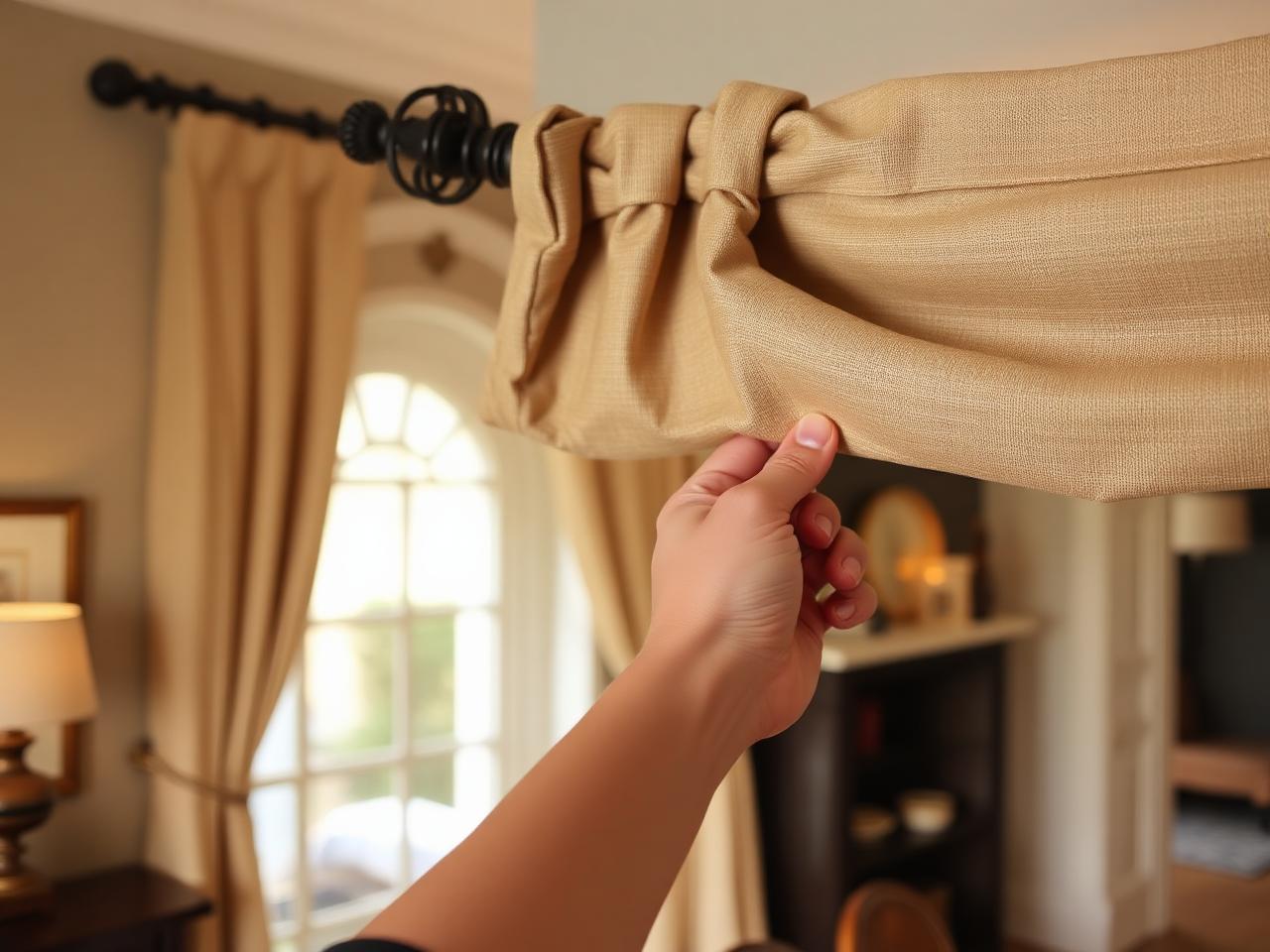
Tailored, gathered pleats on a traditional rod, a classic, formal look that suits period and colonial interiors.
Euro pleat
A flatter, tailored pleat at the top with fuller fabric below, giving crisp verticals on rings or hooks.
Ripple fold
A continuous, even wave on a track, with no visible pleat, the standard for modern and minimal rooms.
Hardware
Rods, tracks and the hardware that disappears
Drapery hardware is either the finishing detail or invisible, rarely both by accident.
A decorative rod with finials becomes part of the room's design and suits pinch or euro pleats. A track is built to be concealed (in a recessed pocket, behind a fascia, or simply painted to match the ceiling) and is the right choice for ripple fold or any run that needs to disappear.
We choose the hardware and the pleat style together, since some pleats only work correctly on one or the other.
Proportion
Ceiling height and where the rod goes
Mounting the rod higher than the window frame and extending it beyond the opening does more for a room's proportions than almost any other single decision. It makes the ceiling feel taller and the window feel larger, and it means the glass is never covered by fabric when the panels are pulled open.
In rooms with standard ceiling heights we still push the rod up as far as trim and crown molding allow. In taller rooms with generous ceiling height, drapery can run nearly floor to ceiling for a more dramatic scale.
Made to measure
From measurement to installed panels
01
Set the rod or track position first
We decide hardware height and width before measuring the drop, since the drop is taken from the rod, not the window frame.
02
Measure the drop and fullness
Panels are cut with enough fabric fullness to fold and hang correctly, not just to cover the width of the glass.
03
Fabricate to that exact drop
Panels are sewn and hemmed to your rod height, which is why made-to-measure hangs differently than ready-made panels bought to a standard length.
04
Install and dress the panels
Hardware goes up, panels are hung, and folds are dressed by hand so they train correctly from day one.
Layering
Layering drapery with a shade at the glass
- A roller or roman shade handles daily light and privacy at the glass
- Drapery panels frame the window and stay open most of the time
- Closing both at night adds the last of the light and sound control a single treatment can't provide
- The shade and drapery fabrics are chosen together so the layers read as one design
Related
Often specified alongside.
Service areas
Custom Drapery & Curtains near you.
We measure and install throughout Northern New Jersey and selected New York areas.
Frequently asked questions
Custom Drapery & Curtains: your questions answered.
Should drapery touch the floor?
In most rooms we aim for a slight break or a clean kiss at the floor. Panels in high-traffic or pet-heavy spaces are often finished just above it. We confirm the drop at measurement.
Can drapery be layered over shades?
Yes, and it is the most common request. The shade handles daily light control and the drapery finishes the room; roller and roman shades both layer well.
How much fullness should drapery panels have?
Most rooms look best at roughly two to two-and-a-half times the width of the rod in fabric, so the panels fold with real body rather than hanging flat. We recommend fullness based on the pleat style and fabric weight.
Can existing rods be reused with new panels?
Sometimes, if the rod is the right length, height and finish for the new pleat style. We check this at the consultation rather than assuming a rod needs replacing.
Do you install drapery on ceilings without crown molding?
Yes, track and rod mounting adapts to plain ceilings, drywall returns and recessed pockets. We confirm the mounting surface during measurement.
How long is the lead time for custom drapery?
Made-to-measure panels take longer than off-the-shelf fabric, since they're cut, sewn and hemmed to your specific drop after hardware is placed. We give you a firm timeframe once the order is placed.
Free in-home consultation · Free professional installation
Plan drapery and hardware together
Rod height, pleat style and fabric all depend on each other, we work through them in one visit so the finished panels hang exactly as planned.
Talk to Leo directly
(201) 846-6181
info@modu-shade.com
Bergen County, Northern New Jersey, Hudson County, Manhattan and selected NYC areas