
Roman Shades
Roman shades with the softness of fabric
The warmth and texture of drapery in the compact footprint of a shade, tailored, lined and made to your exact opening.
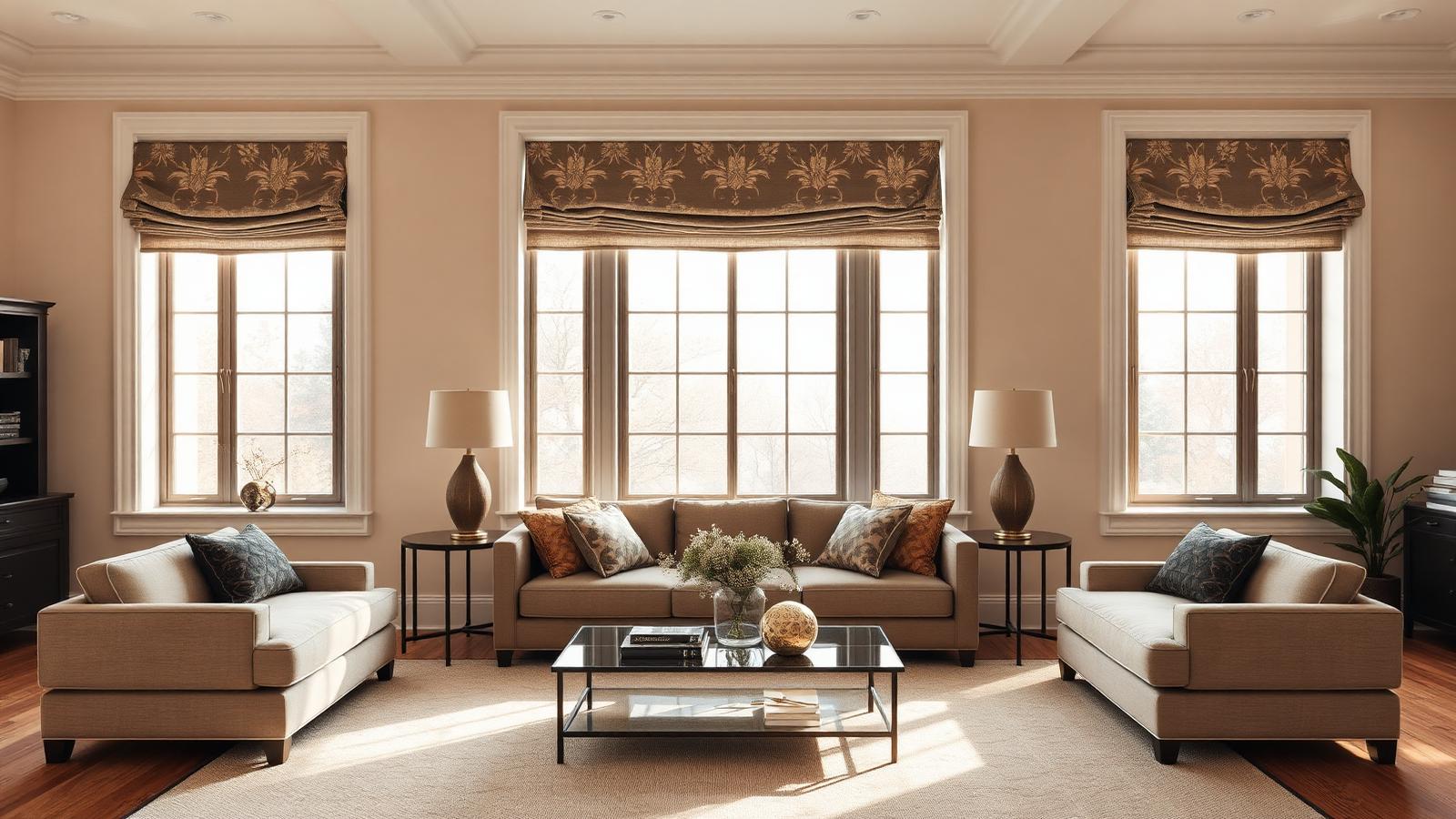
Roman shades are where a window starts to feel designed rather than covered. Because the fabric stacks in folds, the treatment brings pattern, texture and softness into a room without the width that drapery panels need.
Fold style and lining do most of the work: a flat fold reads modern and architectural, a relaxed fold is softer, and a blackout lining turns the same fabric into a bedroom treatment.
Every project is measured on site, ordered to your exact openings, installed by our own team, and tested with you before we leave.
Where it works best
- Living rooms and dining rooms
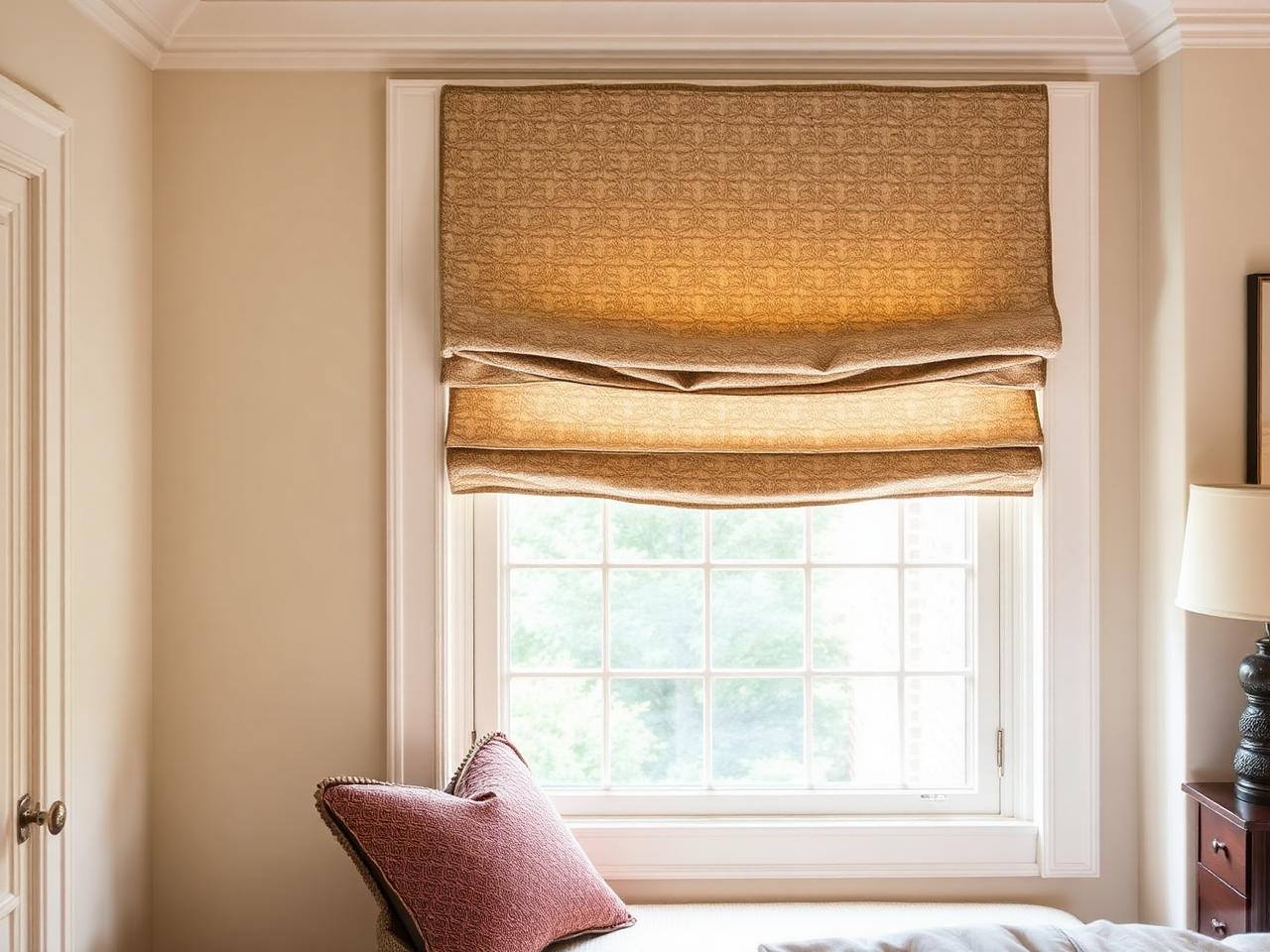
- Primary bedrooms
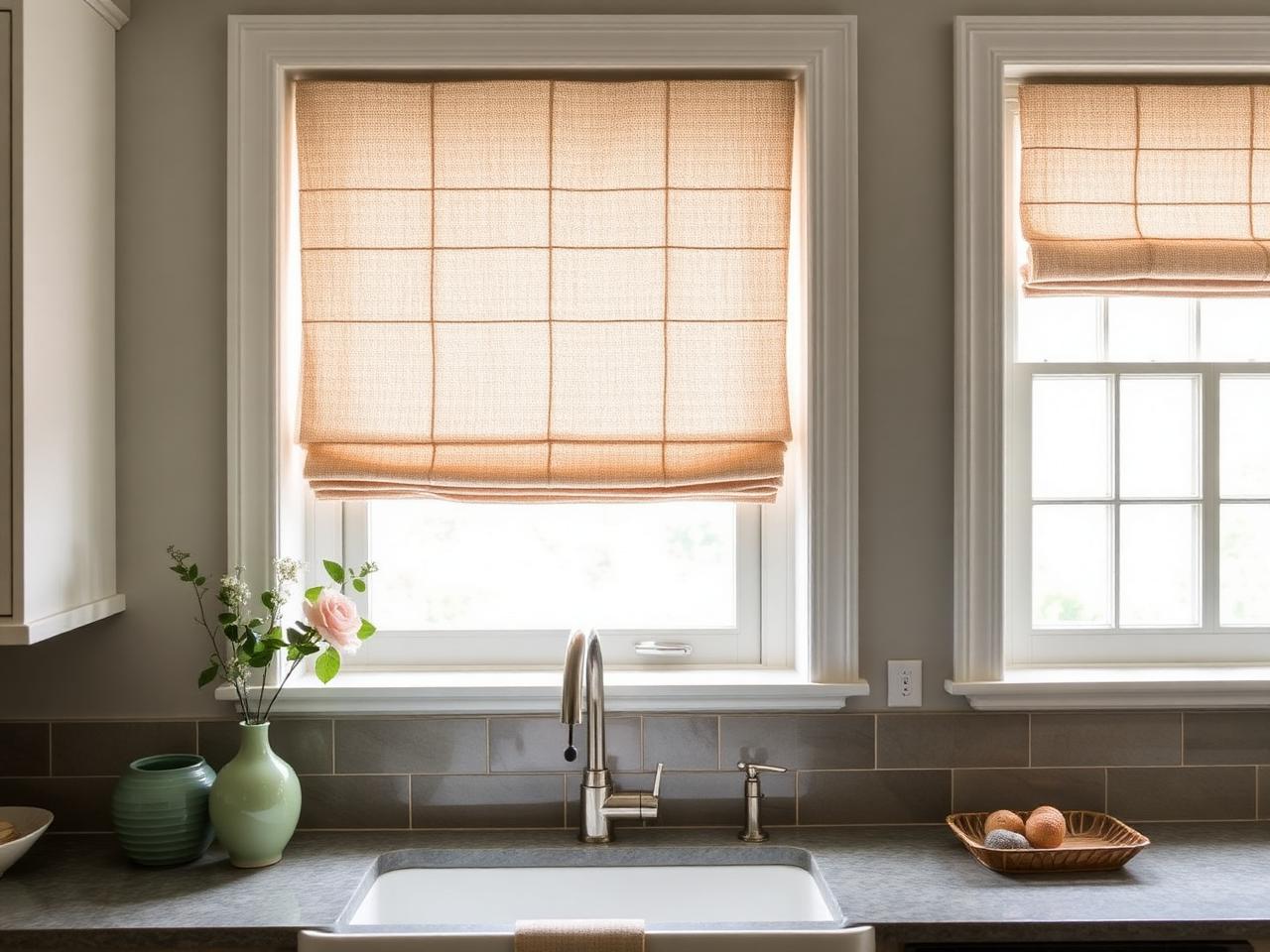
- Kitchens with a decorative window
- Rooms where drapery would be too heavy
Roman Shades
Considering roman shades for your home?
Tell us which rooms you are working on and we will bring roman shades samples to your home, measure the openings and recommend the version that suits the light, privacy and budget you have in mind.
Options
Choose the version that fits the room.
Flat fold
Clean, tailored panels, the most contemporary of the roman styles.
Relaxed fold
A gentle curve along the bottom edge for a softer, more casual room.
Hobbled fold
Continuous cascading folds with more depth and traditional detail.
Lining & interlining
Privacy, blackout or thermal linings selected to match the room's job.
Cordless & motorized lifts
Child-safe operation, or a motor for tall and hard-to-reach windows.
Benefits
Why homeowners choose it.
- Texture and warmth
- Real fabric softens hard architectural rooms.
- Design flexibility
- Pattern, trim and fold style can be coordinated across rooms.
- Compact stack
- Takes far less wall space than full drapery panels.
- Made to measure
- Cut and sewn to the exact opening for a clean, square fit.
Made to measure
Customization.
- Fold style and fabric selection
- Privacy, blackout or thermal lining
- Trim, banding and hardware finish
- Manual or motorized lift
Design
Why designers reach for roman shades first
Roman shades introduce pattern and texture the way a rug or a piece of upholstery does, which is why they show up so often in curated, designer-led rooms.
A printed linen or a woven texture on a roman shade reads as a considered design choice, not just a window covering. Because the fabric stacks rather than gathers, bold patterns stay legible instead of disappearing into folds.
- Pattern and color anchor a room's palette
- Trim and banding pick up other finishes nearby
- Works as the single decorative element in a minimal room
Fabric performance
Light filtering face fabric vs. fully lined
The same face fabric behaves very differently once a lining is added behind it.
Light filtering, unlined
Daylight glows through the weave, colors stay true from outside, and the room keeps a soft, bright feel. Best for living and dining rooms during the day.
Lined or blackout
A lining is sewn behind the face fabric to add privacy, block light, or protect the fabric from sun. The front pattern looks identical from inside; the back reads as a uniform color from the street.
Fold styles
Matching a fold style to the room
Flat fold
Crisp, architectural lines that suit contemporary kitchens and offices.
Relaxed fold
A soft, gently curved hem for casual living rooms and bedrooms.
Hobbled fold
Deep, cascading folds even when the shade is fully lowered, a traditional, layered look.
Measuring & fit
Getting a roman shade to hang square
Because the fabric is cut and sewn flat before it is mounted, an accurate measurement matters more here than on almost any other treatment.
01
Confirm mount type
Inside mount for a tailored, recessed look; outside mount where depth is shallow or blackout is needed.
02
Measure width and drop at three points
Openings are rarely perfectly square, so we record the narrowest width and account for it in the cut.
03
Check the stack height
The folded shade needs headroom above the glass, we confirm there is enough clearance before ordering.
04
Cut, sew and mount to that opening
Each shade is made to the specific window it will hang in, not a standard size.
Living with roman shades
Care and everyday use
- Dust folds gently with a soft brush attachment rather than a damp cloth
- Raise fully now and then so folds don't set a permanent crease in one position
- Keep lined shades away from direct radiator heat, which can shorten fabric life
- Spot-clean face fabric per the manufacturer's care code, most are not machine washable once sewn
Related
Often specified alongside.
Service areas
Roman Shades near you.
We measure and install throughout Northern New Jersey and selected New York areas.
Frequently asked questions
Roman Shades: your questions answered.
Can roman shades be blackout?
Yes. A blackout lining is added behind the face fabric, and an outside mount helps control edge light in bedrooms.
Are roman shades suitable for wide windows?
Up to a point. Very wide openings are often better as two shades side by side so the fabric lifts evenly, we confirm this at measurement.
How long does a custom roman shade take from order to install?
Because each shade is cut and sewn to your exact opening, expect a fabrication lead time before installation. We give you a specific window for your order at the consultation.
Can a patterned fabric be used on a wide roman shade?
Yes, though very wide openings are often split into two shades so the pattern lifts and folds evenly rather than distorting across one oversized panel.
Do roman shades work well over a radiator or deep sill?
Yes, because the stack sits at the top of the window, the sill and any hardware below stay clear when the shade is raised.
Free in-home consultation · Free professional installation
Bring us a fabric, or let us bring the samples
Whether you already have a fabric in mind or want to compare fold styles and linings in your own light, we'll measure, cut and hang your roman shades to fit.
Talk to Leo directly
(201) 846-6181
info@modu-shade.com
Bergen County, Northern New Jersey, Hudson County, Manhattan and selected NYC areas