
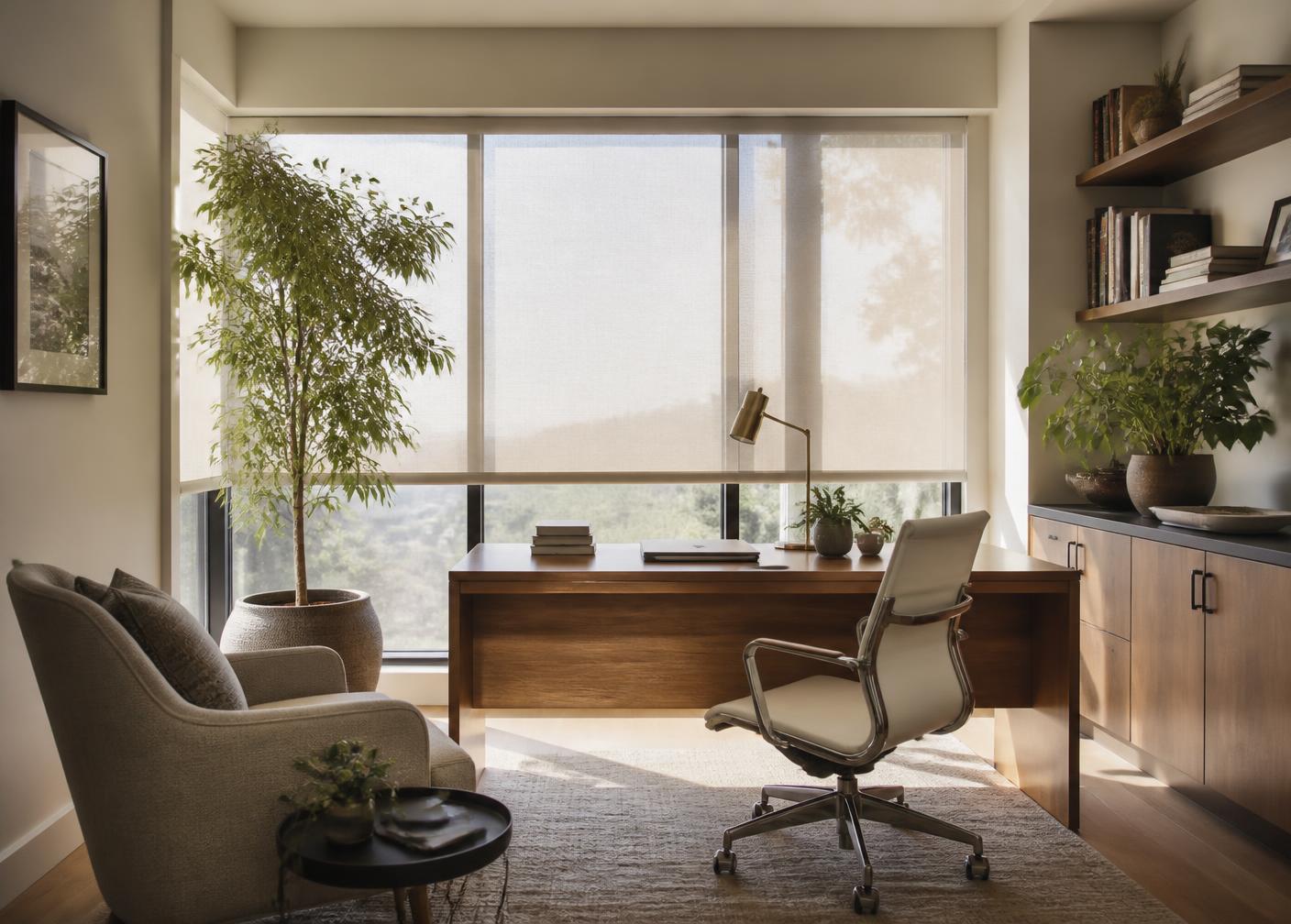
Cellular & Honeycomb Shades
Cellular shades for comfort at the glass
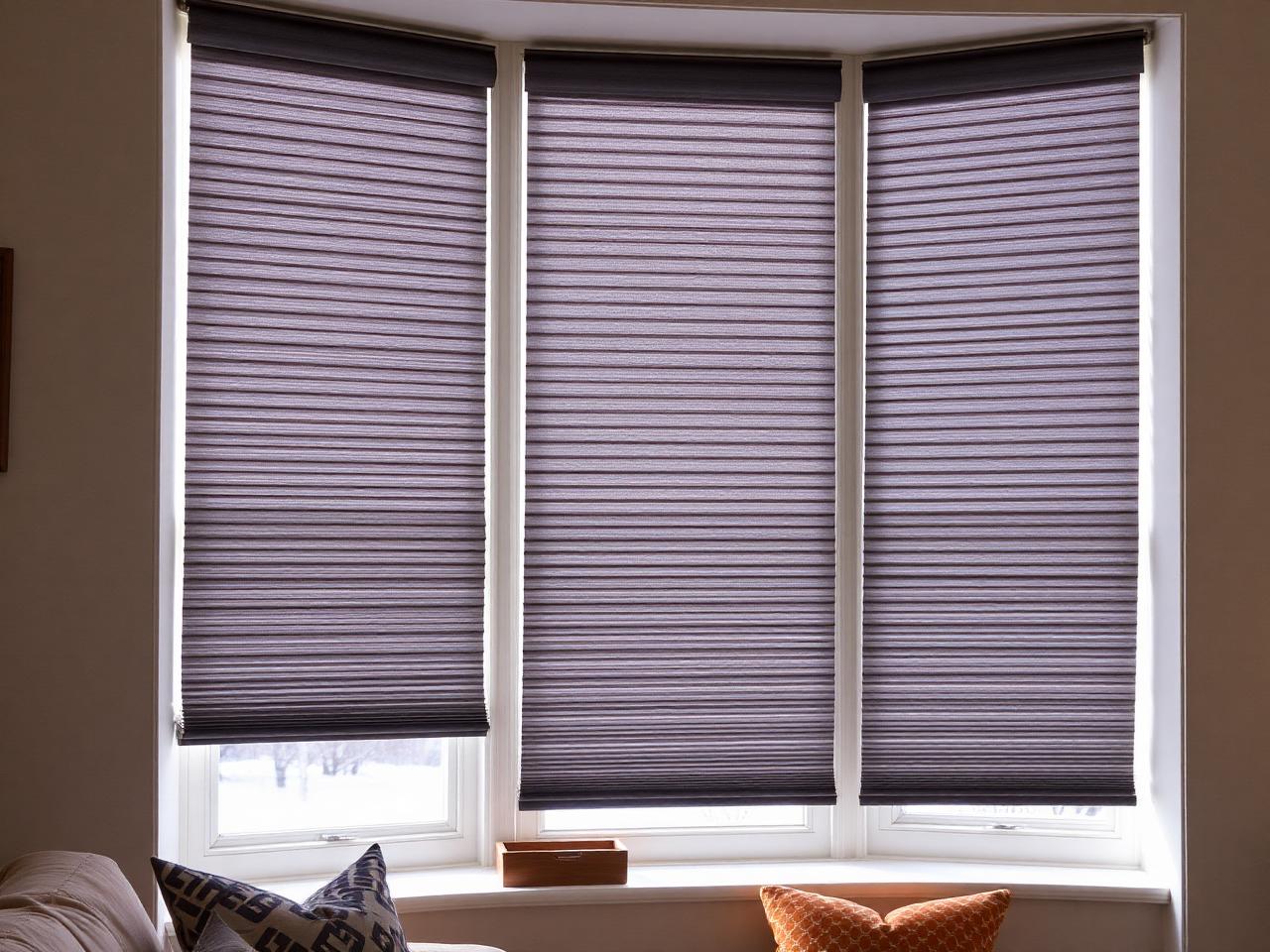
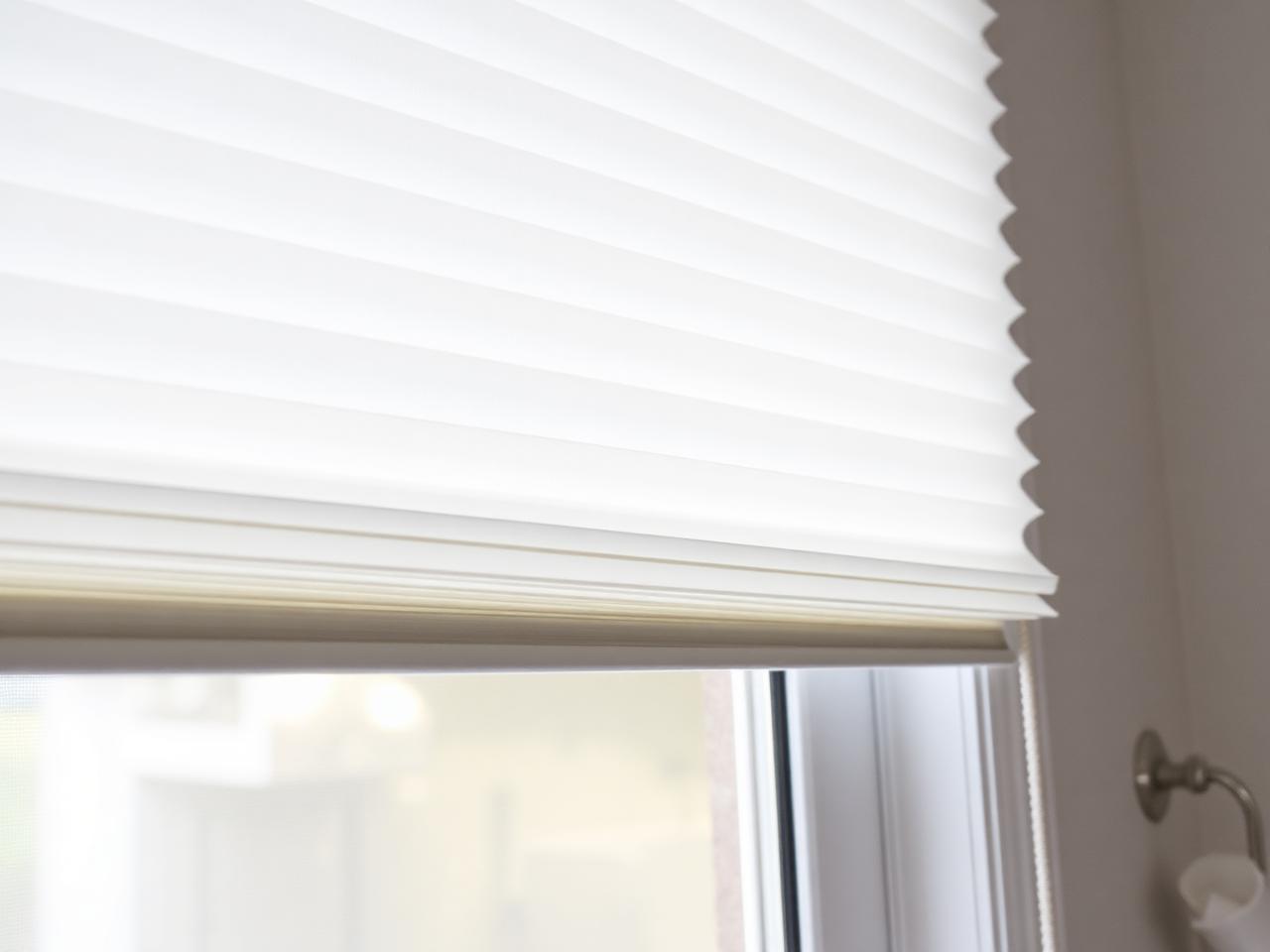
Honeycomb cells trap air at the window, so the room stays warmer in January and cooler in July, with a neat, compact stack.
Cellular shades are the practical choice for older homes and rooms with cold or draughty glass. The honeycomb structure creates an insulating pocket of air, which measurably reduces the chill you feel sitting beside a window in winter.
They also stack very compactly, so more of the glass stays clear when the shade is raised, useful on shorter windows and above kitchen counters.
Every project is measured on site, ordered to your exact openings, installed by our own team, and tested with you before we leave.
Where it works best
- Older homes with single-glazed or draughty windows
- Bedrooms that need insulation and darkness
- North-facing rooms that feel cold
- Windows above kitchen counters
Cellular & Honeycomb Shades
Considering cellular & honeycomb shades for your home?
Tell us which rooms you are working on and we will bring cellular & honeycomb shades samples to your home, measure the openings and recommend the version that suits the light, privacy and budget you have in mind.
Options
Choose the version that fits the room.
Single cell
A slim profile that suits standard windows and tighter recesses.
Double cell
Extra insulation for exposed windows and rooms with heating or cooling issues.
Top-down bottom-up
Lower the top for daylight while keeping the lower half private.
Blackout cellular
Room-darkening liners for bedrooms that also need insulation.
Cordless & motorized lifts
Child-safe cordless operation or quiet motorization.
Benefits
Why homeowners choose it.
- Warmer in winter
- The air pocket slows heat loss through the glass.
- Cooler in summer
- Reduces solar heat gain on south and west exposures.
- Compact stack
- More clear glass when the shade is fully raised.
- Quieter rooms
- The cell structure softens outside noise slightly.
Made to measure
Customization.
- Single or double cell
- Light filtering or blackout liner
- Top-down bottom-up operation
- Cordless or motorized lift
How It Works
Why a honeycomb shape holds air still
The cross-section of a cellular shade is a row of closed honeycomb cells rather than a flat sheet of fabric. Each cell traps a pocket of air against the glass, and still air is a poor conductor of heat.
That pocket is what slows the chill you feel sitting beside a cold window in winter, and what reduces the heat radiating in on a hot afternoon, a genuine comfort difference on older or single-glazed glass.
Construction
Single cell vs double cell
Single cell
A slimmer profile that suits standard windows and tighter recesses, with a moderate insulating benefit.
Double cell
Two rows of cells for exposed windows, draughty older glass, or rooms with persistent heating or cooling issues.
Where Insulation Matters
Rooms that benefit most
Older homes
Single-glazed or draughty original windows lose the most heat, and gain the most from a cellular shade.
North-facing rooms
Rooms that feel cold regardless of the season often have glass, not heating, as the real problem.
Bedrooms needing both
Blackout cellular fabrics combine darkness with the insulating cell structure.
Above kitchen counters
The compact stack keeps more glass clear when raised, useful over sinks and counters.
A Practical Extra
Light at the top, privacy at the bottom
Top-down bottom-up operation lets the shade be lowered from the top of the window as well as raised from the bottom, so a street-facing bedroom can let daylight in above head height while the lower half stays private.
It's a small mechanical difference that solves a very common complaint about ground-floor and low-rise windows.
Energy & Comfort
What we will and won't promise
- Cellular shades reduce heat transfer at the glass, most noticeable on older or exposed windows
- We treat it as a comfort improvement, not a guaranteed reduction in your energy bill
- The benefit is greater on double cell than single cell fabrics
- Consistent use (raising and lowering with the day) matters as much as the fabric choice
Related
Often specified alongside.
Service areas
Cellular & Honeycomb Shades near you.
We measure and install throughout Northern New Jersey and selected New York areas.
Frequently asked questions
Cellular & Honeycomb Shades: your questions answered.
Do cellular shades really help with energy bills?
They reduce heat transfer at the window, which is most noticeable on older glass and exposed elevations. We treat it as a comfort improvement first rather than promising a specific saving.
What is top-down bottom-up?
The shade can be lowered from the top as well as raised from the bottom, so you can let daylight in at the top of the window while keeping the lower half private, popular in street-facing bedrooms.
Do cellular shades reduce outside noise?
The cell structure softens sound slightly compared with a flat fabric, though it isn't a substitute for proper soundproofing on a noisy street.
Can cellular shades be motorized?
Yes, including in a top-down bottom-up configuration, with remote, wall or app control depending on the hardware chosen.
How compact is the stack when the shade is raised?
Cellular shades stack more compactly than most fabric shades, leaving more clear glass, useful on shorter windows and above counters.
Is a blackout cellular shade as dark as a blackout roller?
With a comparable mount and a room-darkening liner, yes, while also adding the insulating benefit of the cell structure, a common choice for bedrooms with cold glass.
Free in-home consultation · Free professional installation
Talk to us about the windows that feel cold
We'll look at your glass and recessed depth and recommend single or double cell fabrics honestly, based on comfort rather than a sales target.
Talk to Leo directly
(201) 846-6181
info@modu-shade.com
Bergen County, Northern New Jersey, Hudson County, Manhattan and selected NYC areas